
Patient Education at Scale: Educating Patients While Marketing Your Practice
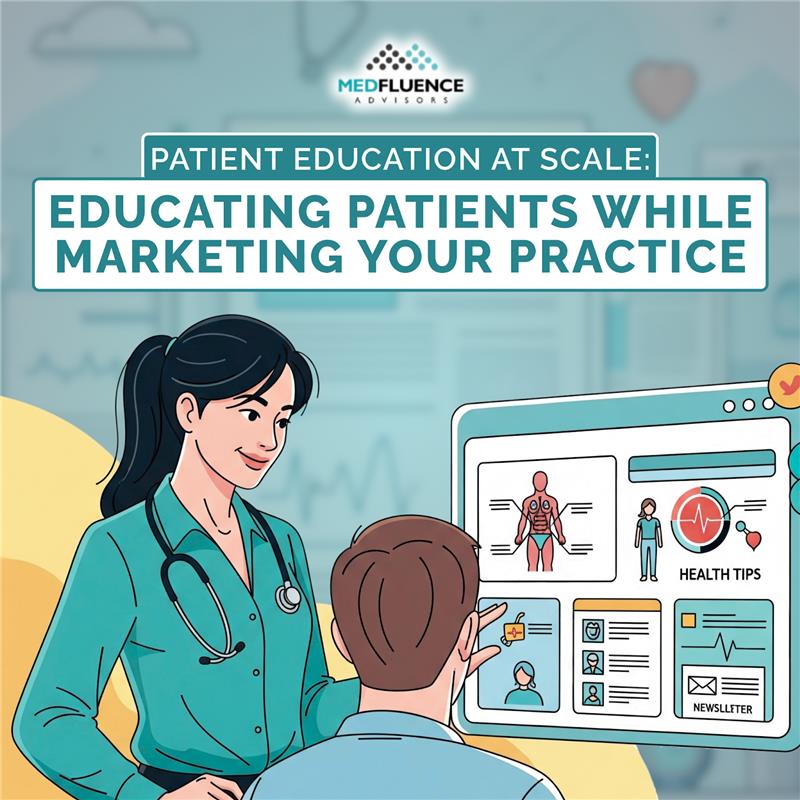
Patient education is the cornerstone of informed healthcare decisions and positive patient outcomes. Educating patients is a key responsibility of doctors and other healthcare providers, ensuring patients understand their conditions, medications, and procedures. Beyond this, patient education is also essential for connecting with patients and building strong, trust-based patient-provider relationships.
Specialty practices (e.g., surgery) often rely on in-person consultations to explain conditions, treatments, and procedures. However, this approach doesn’t scale well. Practices need to explore ways to educate patients digitally. Patient education also plays another critical role in the success of healthcare practices: it serves as a powerful marketing tool.
The Value of Patient Education
- Empowering patients through education: Educating patients is a responsibility healthcare providers must embrace diligently. When patients are informed and confident, they trust the expertise of your practice and feel empowered to make important decisions.
- Effective healthcare delivery: Educated patients can make informed decisions about their health, leading to better outcomes. Ensuring patients understand their conditions and treatments also promotes more efficient care delivery.
- A powerful marketing tool: Patient education can also be leveraged to attract and engage potential patients. With the right tools, practices can reach prospective patients, keep them engaged, build trust, and guide them toward choosing your practice and the services you offer.
Strategies to Educate Patients While Marketing
1. Analyze and determine your target audience
The first step in creating an effective patient education marketing campaign is identifying and understanding your target audience. By analyzing your audience, you can craft personalized messages tailored to their unique needs and preferences.
Conduct surveys, interviews, and focus groups to gain insights into your audience’s behaviors, attitudes, needs, and perceptions of healthcare.
2. Craft your message
Once you understand your audience, craft messages that are clear, compelling, and resonate with them.
Your goal is to provide accessible information about medical conditions, treatments, and procedures relevant to your target audience and ideal patients. Align your content with what patients are searching for and ensure your messaging fosters trust and credibility, encouraging confidence in your practice and expertise.
3. Create and publish educational content in various formats and channels
In an increasingly digital world, it’s essential to use multiple formats and channels to reach patients with different learning preferences:
- Blog posts: Focus on content that answers real patient questions. Keep your language simple and accessible, but don’t oversimplify. Blog posts are effective for both education and healthcare marketing.
- Infographics: Use visuals to make complex information easy to digest and shareable.
- Videos: Short-form videos are highly engaging and can explain complex medical concepts in an easy-to-understand way. They also help give your practice a human touch.
- Social media: Platforms like Facebook, X (formerly Twitter), Instagram, and TikTok allow healthcare providers to connect directly with patients, share information, and build a community around health topics.
4. Use email marketing effectively
Email remains a reliable way to strengthen your patient education marketing. Beyond appointment reminders, send newsletters and educational resources on conditions, treatments, and procedures. Highlight new services or special offers where relevant.
Segment your email lists to target specific groups, improving engagement and campaign effectiveness.
5. Measure the effectiveness of your patient education campaign
As with any marketing initiative, track metrics to assess the success of your campaign. Monitor website traffic, click-through rates, social media engagement, inquiries, leads, and appointments linked to your campaigns. Analyzing these metrics will help you refine your approach and achieve better results.
Patient Education and Marketing Can Go Hand in Hand
Healthcare marketing is not just about attracting new patients and growing revenue. It can also be a powerful tool for educating patients, allowing them to empower themselves with knowledge without relying solely on in-person consultations.
Feel overwhelmed about marketing that also aims to educate patients? We can help.

Worried your marketing might bring in more than your team can handle—or worse, the wrong kind of leads? That’s not a growth plan—it’s a…

Businesses and marketing professionals love seeing numbers go up. Rising charts and upward trends feel like progress—and sometimes they are.…